Introduction
Exhibition booth design has become one of the most powerful tools in modern brand communication. In an era where audiences are constantly exposed to digital content, physical exhibition spaces offer a rare opportunity for real, emotional, and memorable brand interaction. A well-designed booth is no longer just a display—it is a complete brand experience.
The Role of Exhibition Booth Design in Branding
Exhibition booth design directly reflects a brand’s identity, values, and positioning. From architectural structure to lighting and materials, every design decision contributes to how visitors perceive the brand. A strong booth design communicates professionalism, credibility, and strategic thinking within seconds of first contact.
Exhibition Booth Design as an Experience, Not a Space
Modern exhibitions are no longer about static displays. Today’s exhibition booth design focuses on creating immersive environments that invite visitors to explore, interact, and engage. The goal is to design a journey—one that feels intuitive, inspiring, and emotionally connected to the brand story.
Key Elements of Successful Exhibition Booth Design
- Spatial Planning: Clear layouts that guide visitor flow naturally and avoid congestion.
- Brand Consistency: Unified use of colors, typography, and visual language.
- Lighting Design: Strategic lighting that highlights key areas and creates atmosphere.
- Material Selection: High-quality materials that reflect brand positioning.
- Interaction: Touchpoints that encourage participation and engagement.
The Power of Minimal and Architectural Design
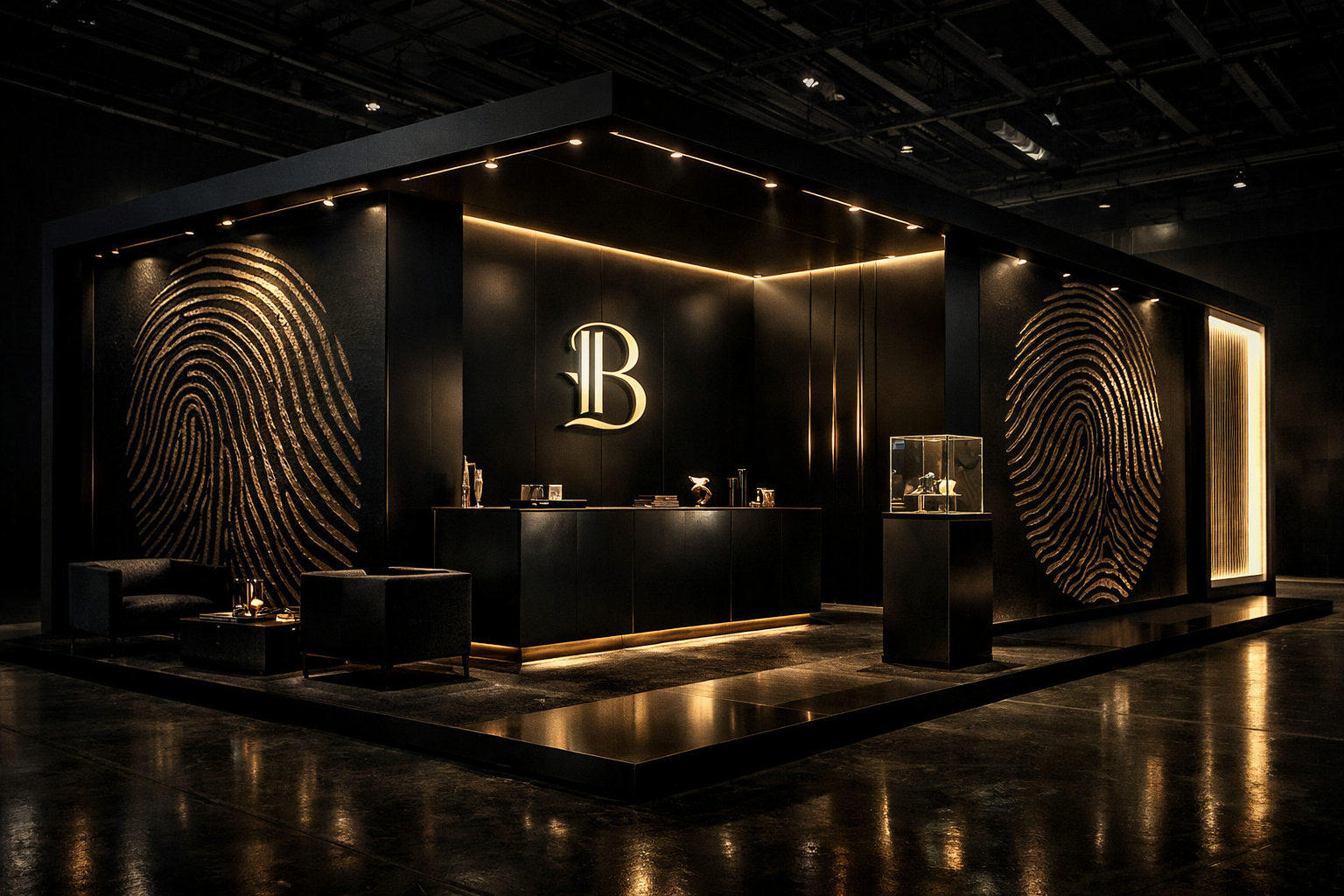
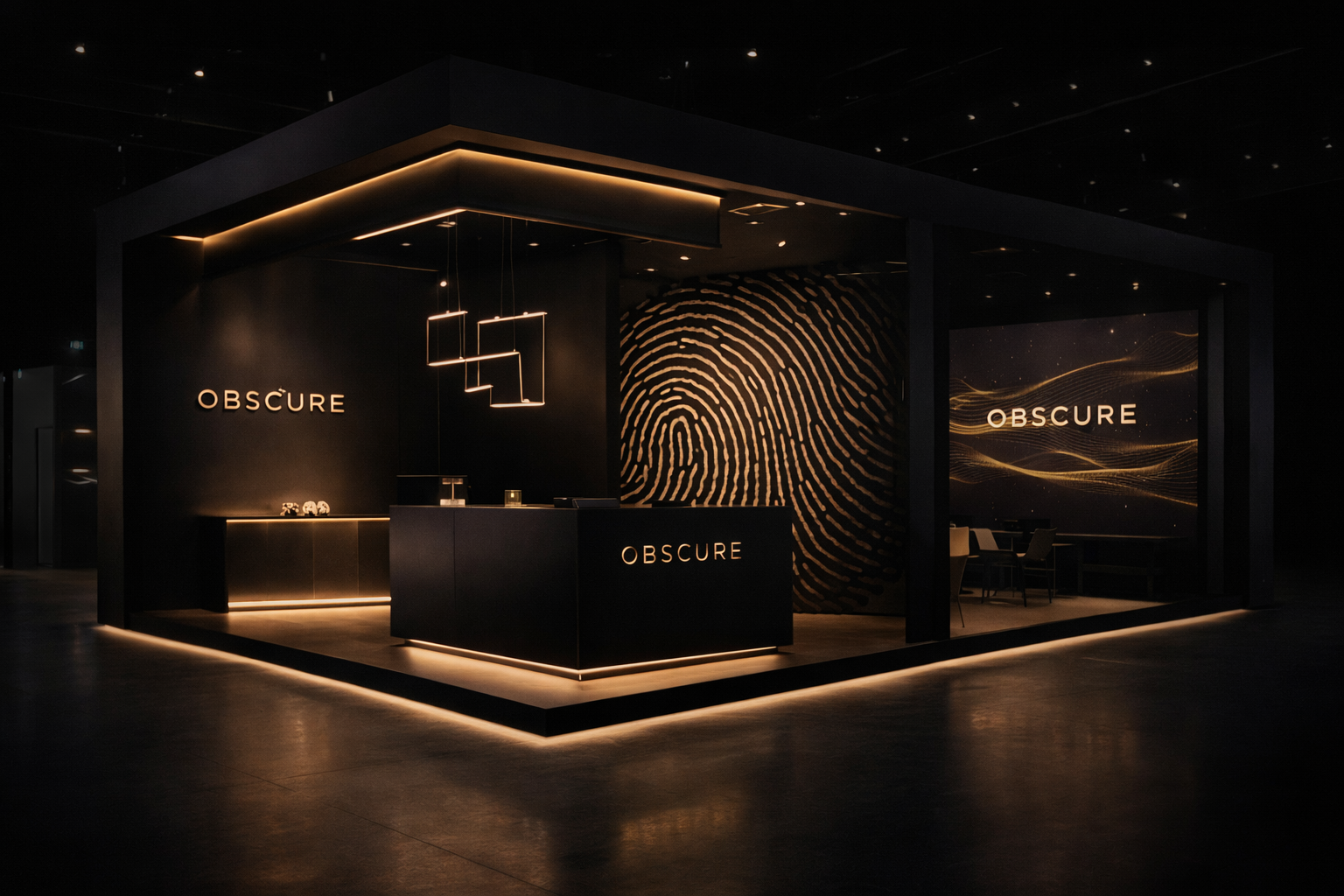
Minimalist exhibition booth design has gained popularity due to its clarity and elegance. By removing visual noise and focusing on essential elements, brands can create strong architectural statements that feel confident and timeless. Clean lines, balanced proportions, and negative space allow the brand message to stand out without distraction.
Technology and Innovation in Exhibition Booth Design
Technology plays a crucial role in contemporary booth experiences. Interactive screens, motion graphics, augmented reality, and digital storytelling transform booths into dynamic environments. When used strategically, technology enhances engagement without overwhelming the visitor, supporting the brand narrative rather than replacing it.
Sustainability in Modern Exhibition Design
Sustainable exhibition booth design is no longer optional—it is an expectation. Brands increasingly prioritize reusable structures, eco-friendly materials, and modular systems. Sustainability not only reduces environmental impact but also strengthens brand trust and authenticity, especially among conscious and informed audiences.
Designing for Social Media and Shareability
A successful exhibition booth today extends beyond the physical space. Photo-worthy elements, bold visual moments, and interactive installations encourage visitors to share their experience online. This organic exposure turns visitors into brand ambassadors and significantly amplifies the booth’s reach.
Measuring the Impact of Exhibition Booth Design
The success of exhibition booth design can be measured through visitor engagement time, lead generation, social media mentions, and overall brand recall. A well-designed booth does not end when the exhibition closes—it continues to influence perception and memory long after the event.
Conclusion
Exhibition booth design is a strategic investment, not a decorative expense. By combining architecture, branding, technology, and human-centered design, brands can create powerful experiences that resonate emotionally and deliver long-term value. In a competitive exhibition environment, thoughtful design is what transforms presence into impact.